
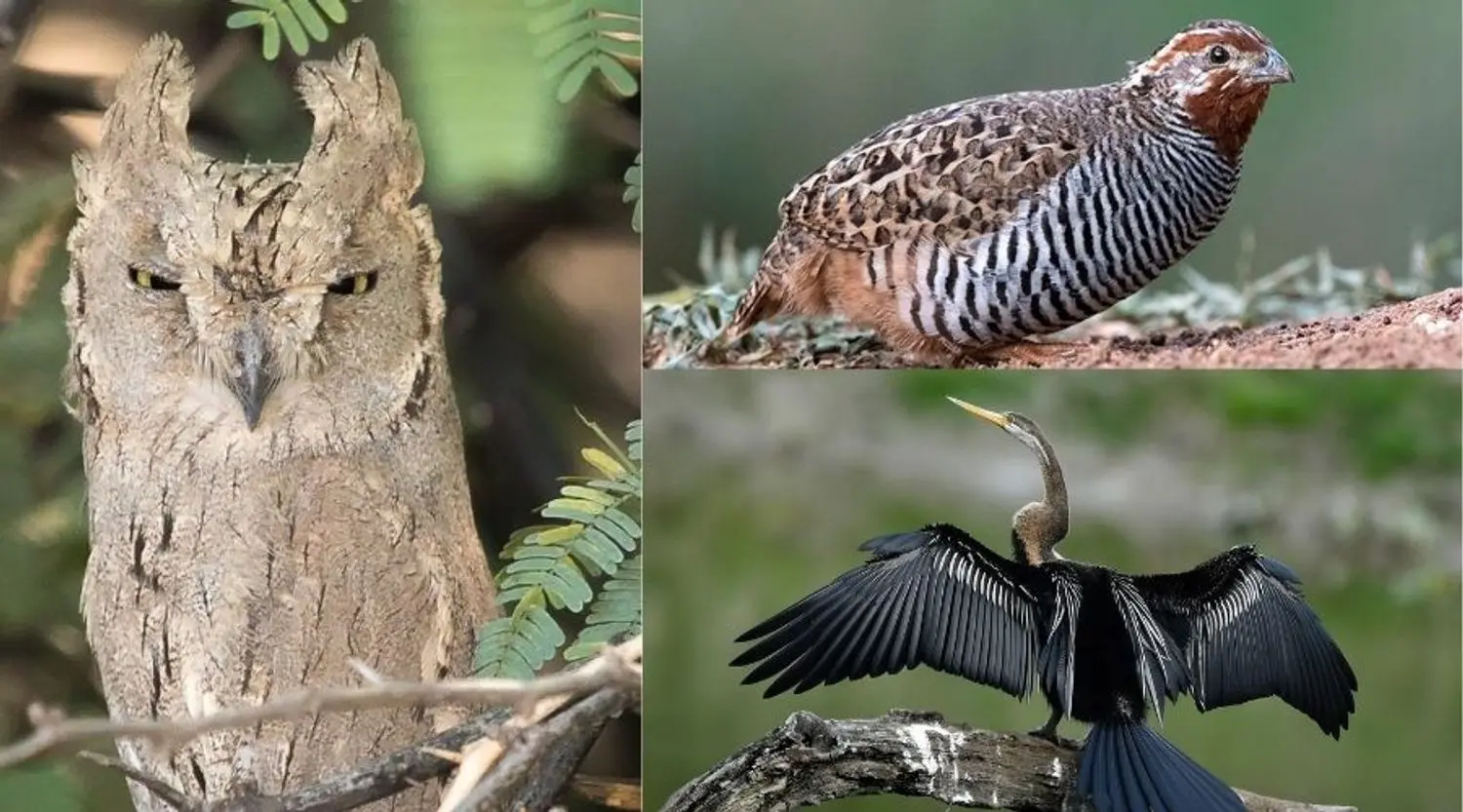
Although mainly a tiger reserve, Sariska Tiger Reserve in Alwar, Rajasthan, is a fascinating place for bird lovers, similarly. This place is certainly heaven for bird watching. More than 200 different species of birds call this reserve their home. If you tour to the place in the peak season, the delicate music of different birds will intrigue your heart.
Avian population in the sanctuary is furthermore extremely healthy. During late summer and in the monsoon months, it is feasible to behold massive numbers of peacocks with their tail feathers fanned out and doing their well-known shimmering “dance”.
Some of the bird species observable in the sanctuary are Peafowl, Great Indian Horned Owls, Red Jungle Fowl, Spur Fowls, White Breasted Kingfishers, Golden Backed Woodpeckers, Quails, Partridges, Parakeets, Sangrouse, Tree Pies, Crested Serpent Eagles, Drongos, Sunbirds and Vultures.
Different Species of Birds in Sariska Tiger Reserve
Common Pochard
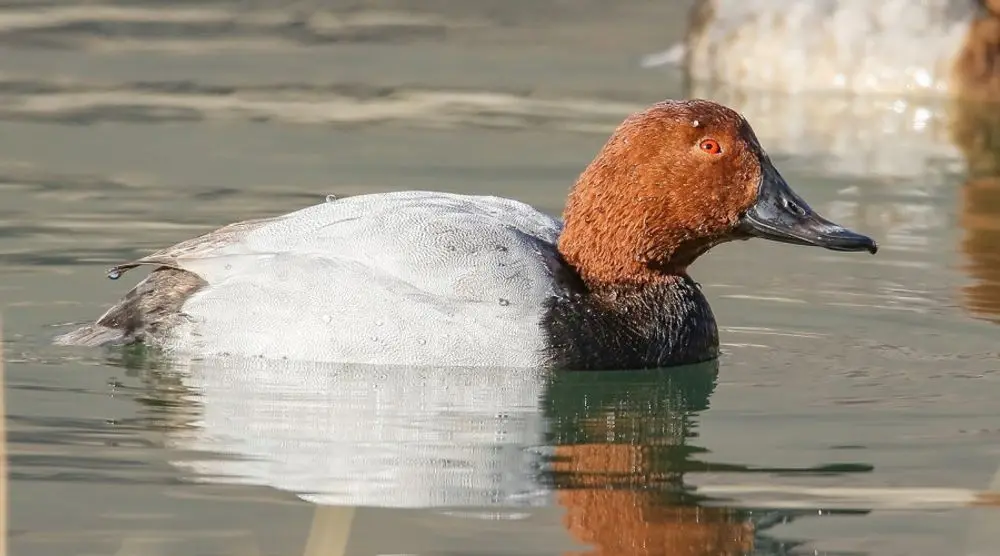
The common pochard (Aythya ferina) is an average-sized diving duck belonging to the lineage Anatidae. This species has a large spectrum in both the breeding season and in winter, and a huge population.
Data indicates the population has decreased promptly across the majority of its spectrum, and is projected to proceed to decrease, and it is accordingly categorized as Vulnerable.
Bean Goose
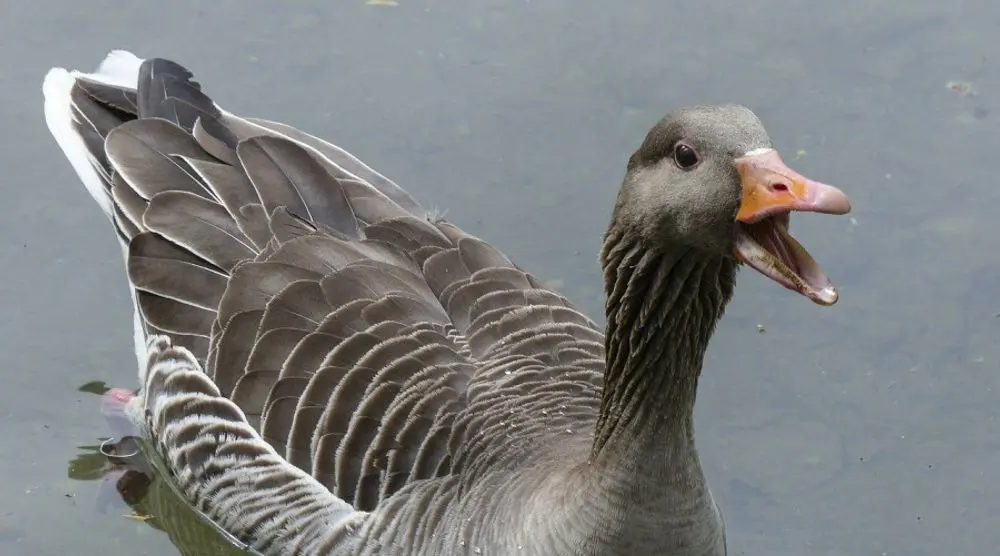
These goose is one of the grey geese’. It tends to be darker and browner than the different species in this group and furthermore has a darker head and neck. The Bean Gooses beak is black at the core and tip, with an orange band across the middle.
After a rift of approximately 66 years, Bean Goose was sighted at Sariska wildlife sanctuary between February 1 to 11. Before that the Last time this rare bird was glimpsed in Bikaner in the year 1948.
Ferruginous Duck
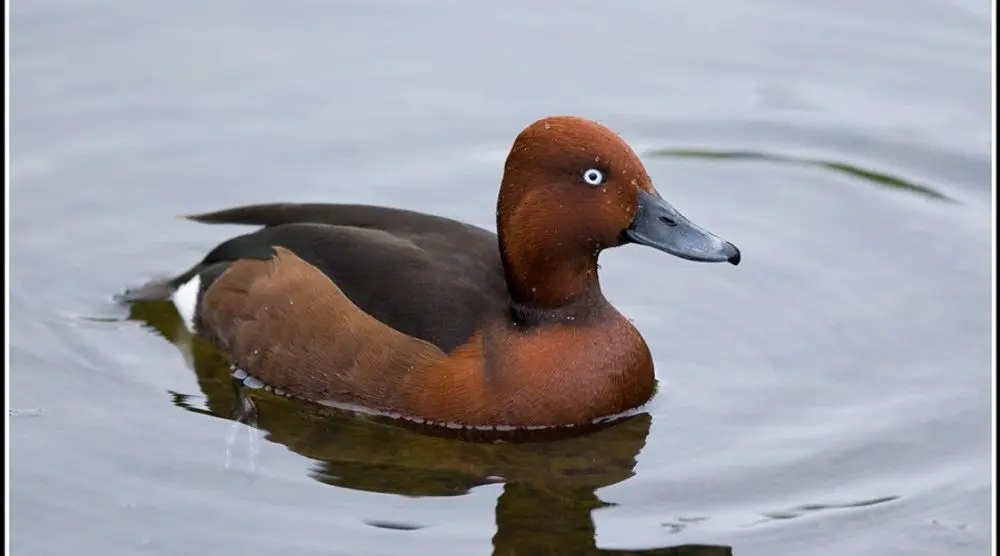
The ferruginous duck (Aythya nyroca) is an average-sized diving duck belonging to the lineage Anatidae. The ferruginous duck species are average-sized birds, measuring 35 to 40 cm in length and weighing 450 to 750 grams.
The wingspan is 60 to 65 cm. Both the genders are dark chestnut shaded. The rears are darker. The abdomen and undertail area is white. The male ducks have a unique pale yellow iris.
Rock Bush Quail
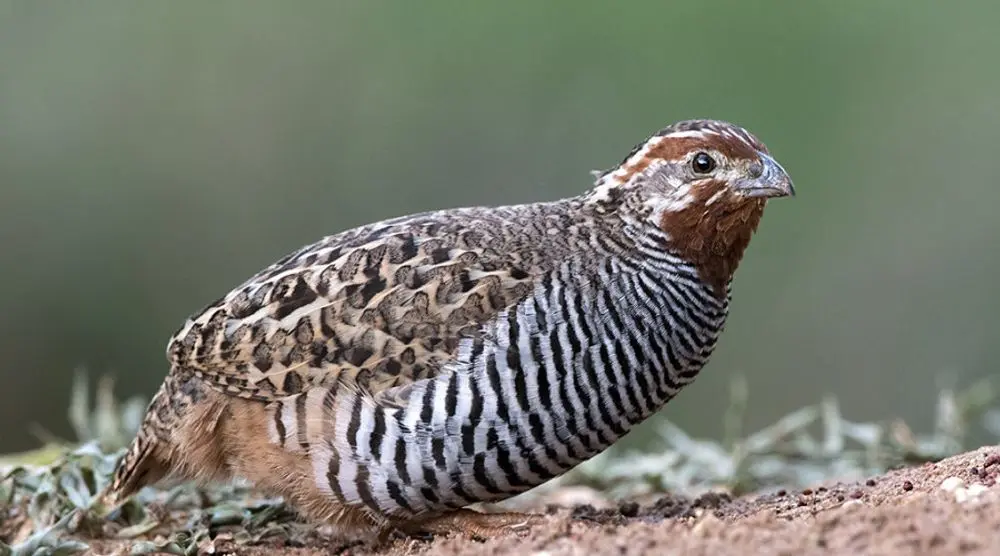
The rock bush quail (Perdicula argoondah) belong to the lineage Phasianidae. There are 3 subspecies of these birds. These quails are tiny birds, scaling 15-18 cm in length and weighing 50 to 75 grams.
These birds inhabit dry, shrub bushes. They eat on seeds, grains, insects and plant waste. They breed during January to March. build their nests under rocky cover.
Painted Spurfowl
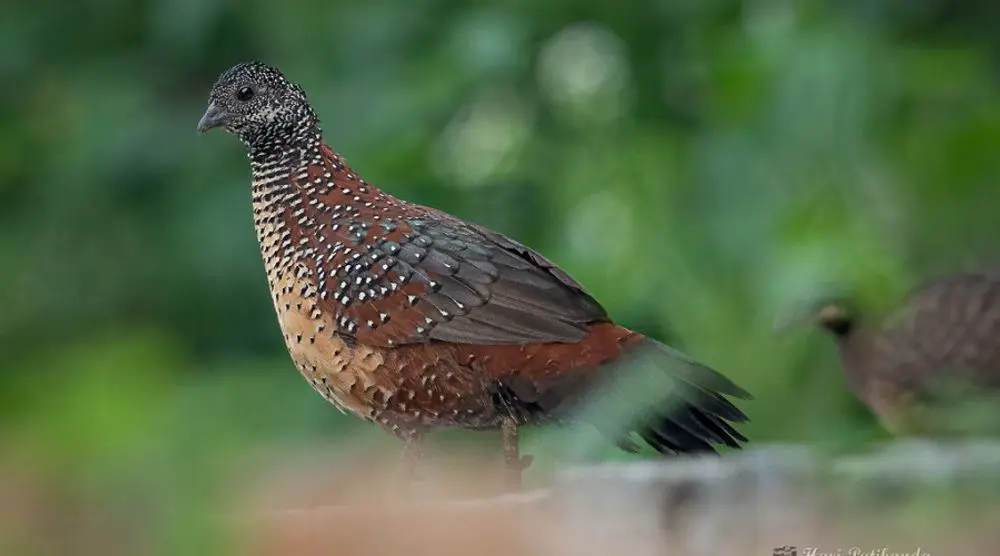
The painted spurfowl (Galloperdix lunulata) is largely based in peninsular India. They reside in rough hill and bush woodlands and mountain ridges. The painted spurfowl (Galloperdix lunulata) obtains its title from its appearance itself.
These species are dazzlingly colored and dotted in white. Painted spurfowl (Galloperdix lunulata) are largely herbivores and fodder on berries, tubers, seeds, and berries though they do devour insects and mollusks sometimes making them omnivorous in nature.
Sarus Crane
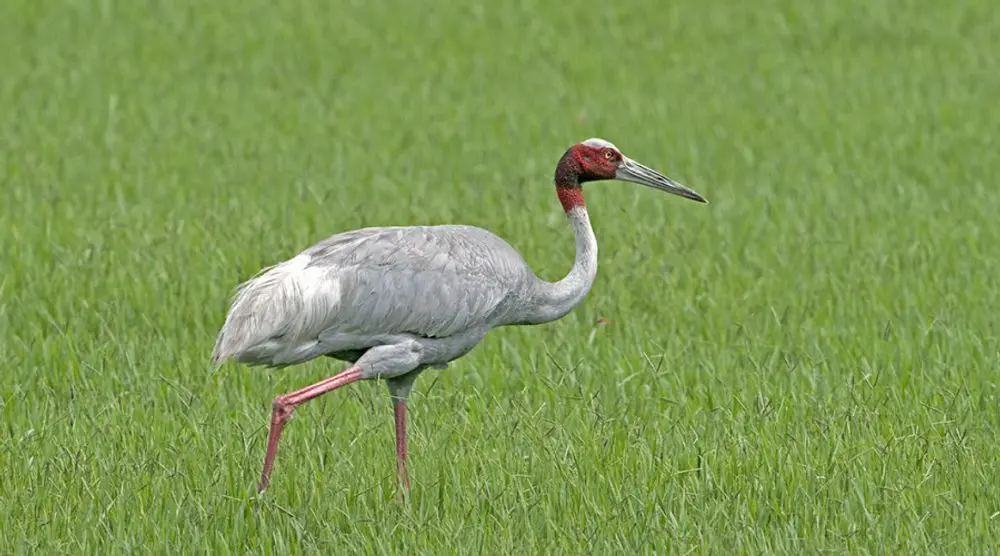
The tallest flying bird on the planet, the Sarus Crane stands tall at 152-156 cm with a wingspan of 240 cm. Adults are grey overall, with a whiter mid-neck and tertials, primarily nude red head and upper neck (brighter when breeding), blackish primaries, but primarily grey secondaries, and reddish legs that are bright during breeding and pale outside the breeding season.
Painted Stork
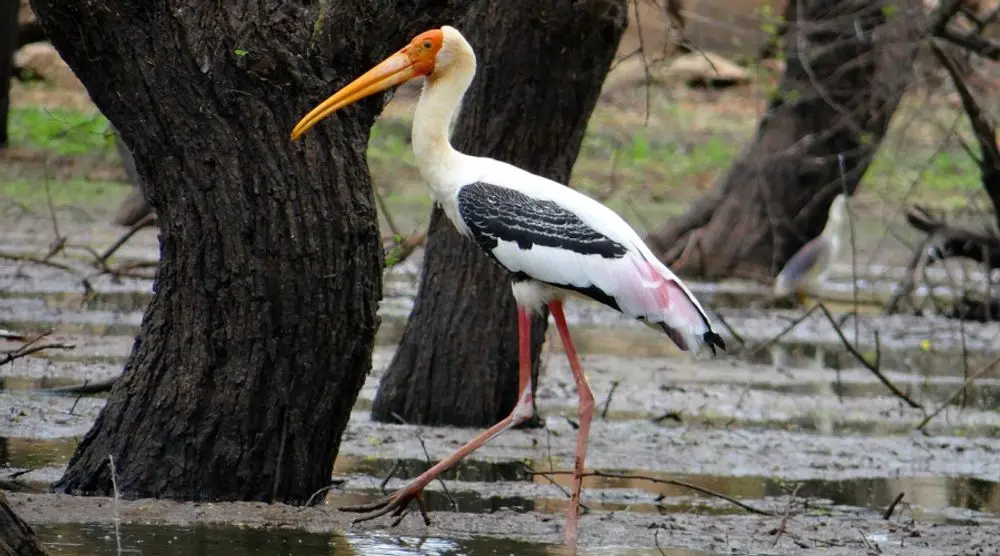
Painted storks are big waders discovered in the wetlands of the grasslands of tropical Asia. Their unique pink aviation feathers of the adults bestow them their title.
These beautifully shaded birds have a huge yellow beak with a down-curved pointer that provides them a resemblance to an ibis. The painted storks are generally beheld in the freshwater wetlands and sometimes in the coastal areas.
Black-necked Stork
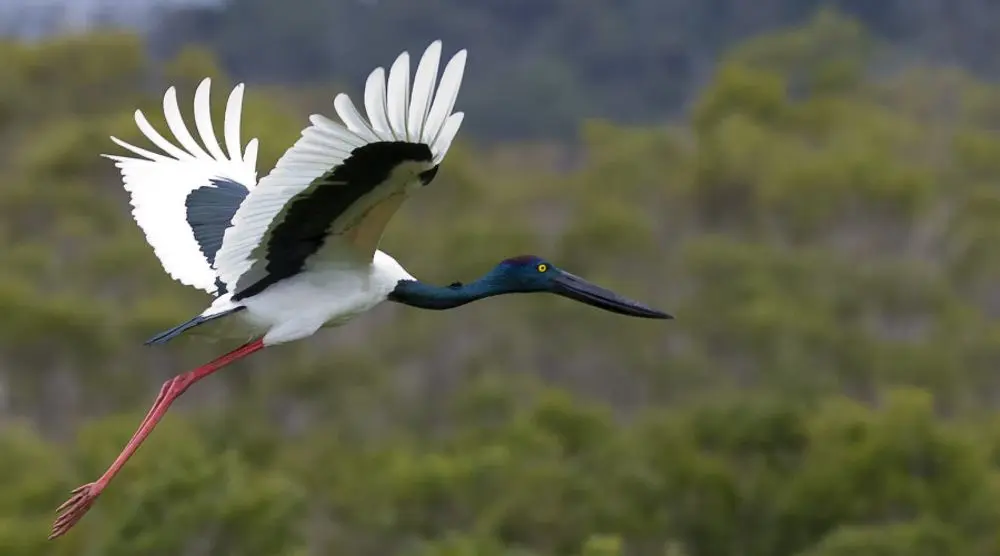
Neither completely black nor completely white. The feather of the Ephippiorhynchus asiaticus, generally recognized as the black-necked stork, is a stunning blend of both these colors.
Though the title reflects just the necks, these birds have a black shade for their secondary aviation feathers, tail, and head as well, illuminated with a gorgeous green and purple gloss.
Dalmatian Pelican
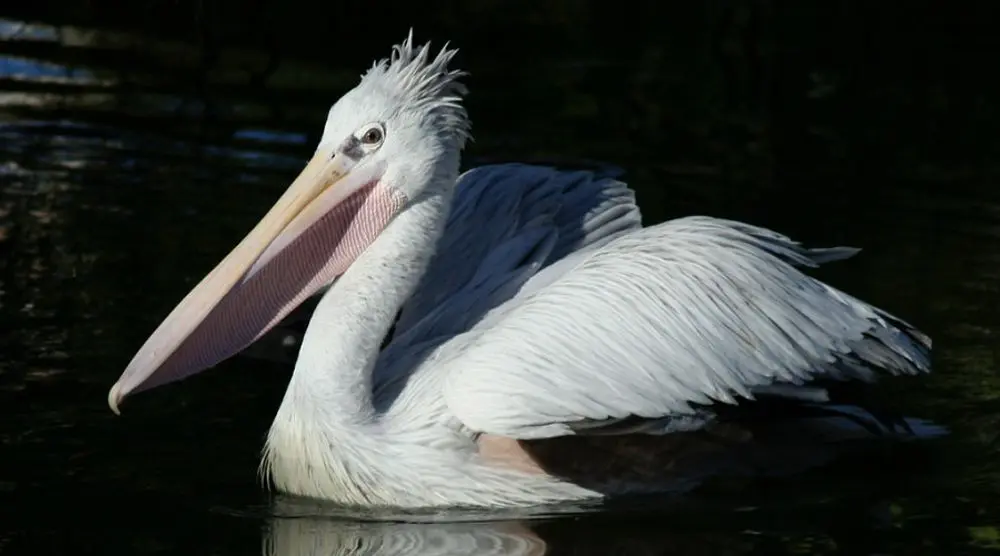
The Dalmatian pelican the biggest of the pelican lineage and is amongst the biggest birds existing today, and, along with kori, considerable bustards and incredible swans, is one of the heaviest of flying birds.
This huge pelican features astonishing silvery-white feathers during the breeding season, which distinguishes with the orange-red rubbery pouch beneath its bill and the purple to yellow bare skin around its eyes.
On its nape it possesses a wide silver range of feathers. Over the breeding season, its pouch fades to a yellow shade, and in winter its feathers relinquishes its radiance of silver and seems whitish or grey instead.
Black-headed Ibis
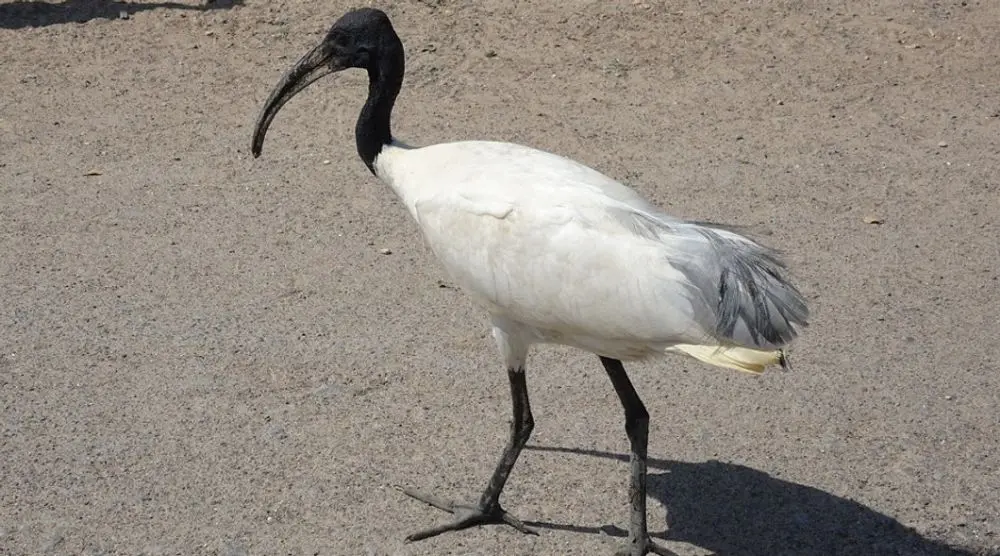
Practically a wetland lineage of wading birds, the black-headed ibis is furthermore named the Oriental white ibis, the black-necked ibis, or the Indian white ibis. The bird is discovered in nature as well as in man-made territories.
It has harmonized well to living in man-made environments. These waterbirds are discovered close to both perennial and seasonal water rifts. It is scattered throughout the map of South Asia on the planet from India in the west to Japan on the far side of the East. The bird is migratory by character.
Oriental Darter
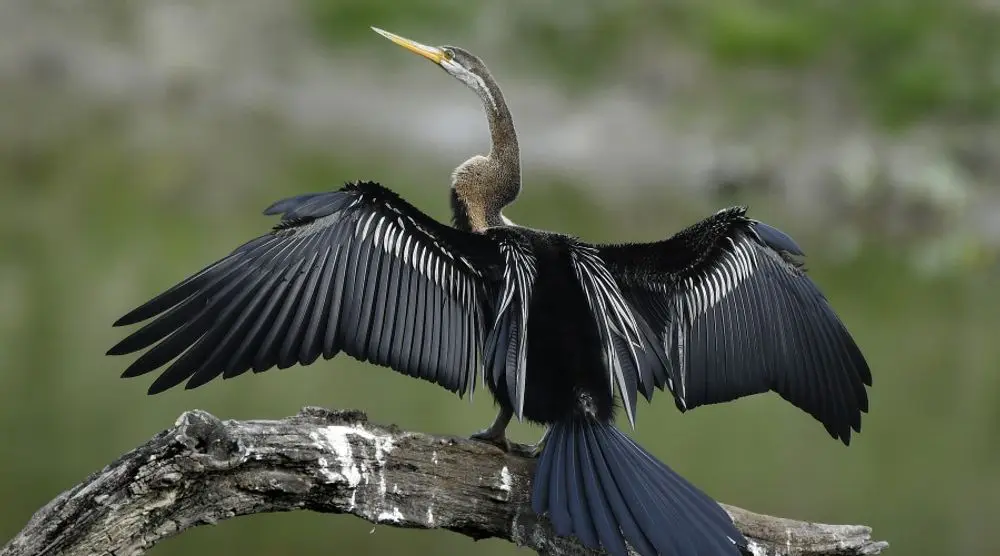
The Oriental darter (Anhinga melanogaster) belongs with the lineage Anhingidae. The Oriental darter species is dispersed in Indian Subcontinent, Myanmar, Thailand and Indonesia. The Oriental darter is an enormous bird, estimating 85 to 100 cm long and gauging 1,000 to 1,800 grams.
The wingspan is 115 to 130 cm. The bill is long and measures 7 to 8 cm. These birds have wettable plumes and are regularly seen seated on rock or tree stem, holding the wings open for drying.
Great Thick-knee
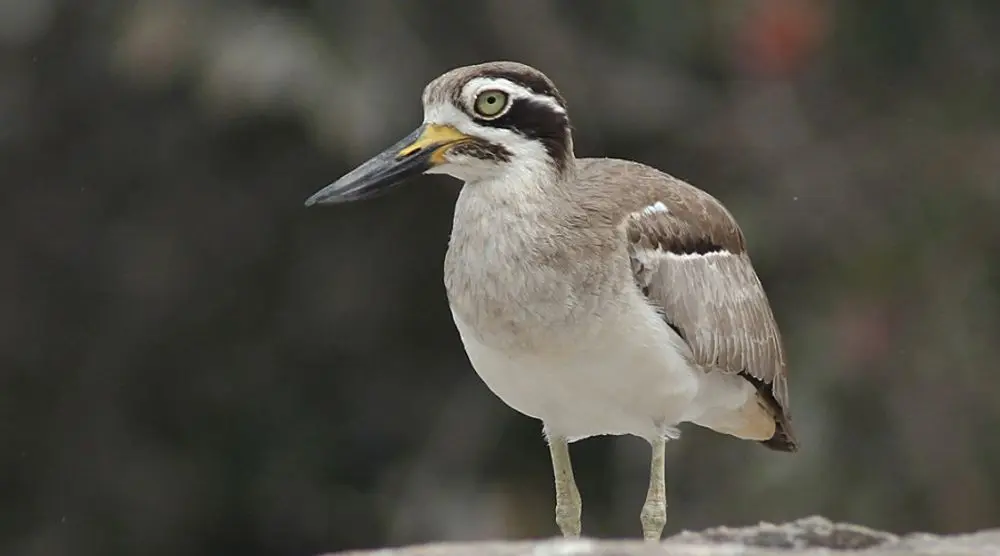
The great thick-knee (Esacus recurvirostris) belongs with the group of stone-curlews, dikkops and thick-knees, Burhinidae. The great thick-knee (Esacus recurvirostris) is an enormous stone-curlew, estimating 50 to 55 cm long and weighing around 800 grams.
The wingspan is 90 to 100 cm. The upperparts of the these birds are grayish sandy brown. There are blackish and whitish groups across the wing-coverts. There are white patches on the primaries. The jawline and the throat are white. The bosom is grayish brown. The underparts are white.
River Lapwing
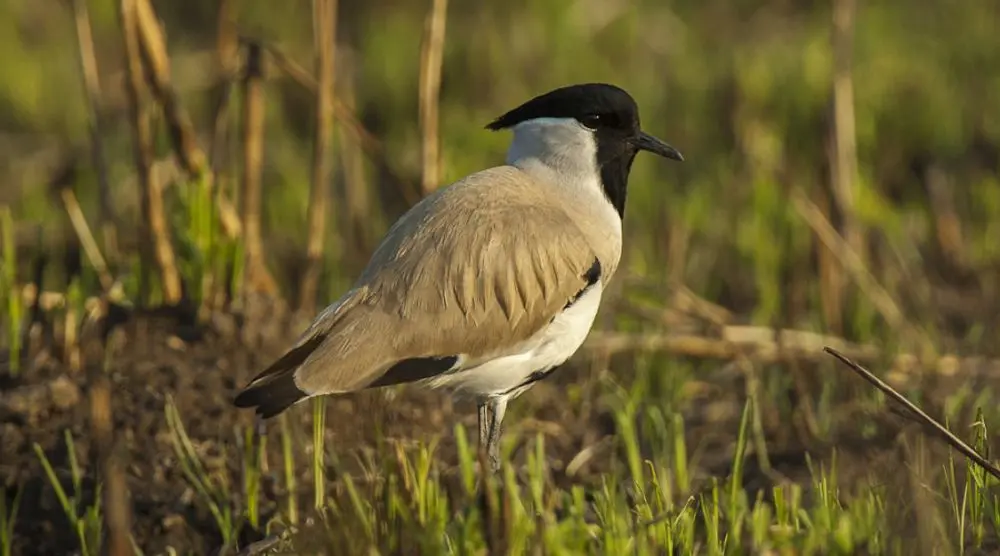
The river lapwing (Vanellus duvaucelii) belongs with the group of plovers, dotterels and lapwings, Charadriidae. The river lapwing (Vanellus duvaucelii) is a medium-sized lapwing, estimating 29 to 32 cm long and gauging 140 to 185 grams.
The river lapwing has blackish crown, face, jawline, throat and the upper bosom. It has a broad dark peak. The peak is held collapsed down the scruff giving a long headed appearance. The peak is raised once in a blue moon.
Egyptian Vulture
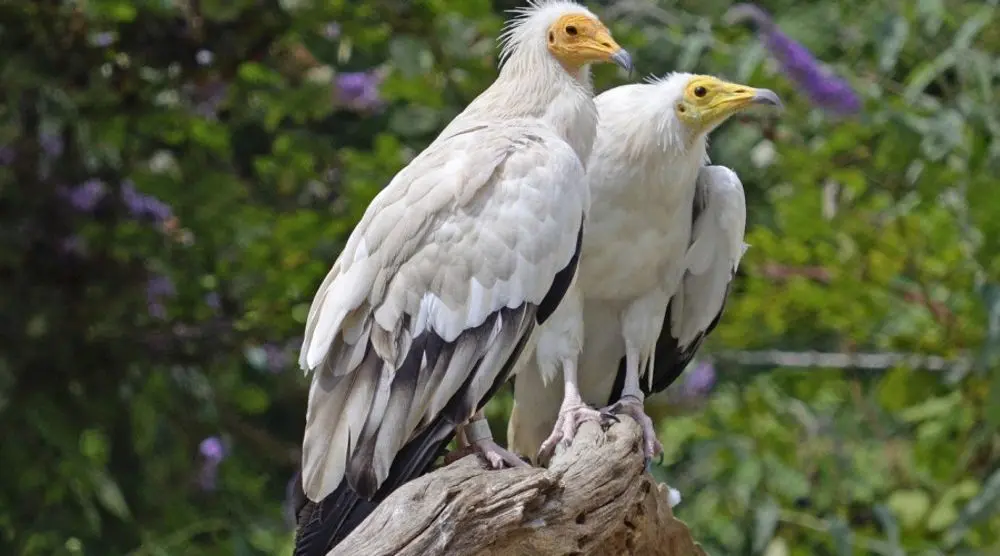
The Egyptian vulture (Neophron percnopterus) belongs to the family Accipitridae. These Egyptian vulture species are circulated in southwestern Europe, Indian Subcontinent, focal Asia and Africa.
The Egyptian vulture is a huge bird, estimating 55 to 70 cm long and gauging 1,600 to 2,400 grams. The wingspan is 140 to 175 cm. The grown-up vultures have white plumage with dark flight feathers. The plumage might seem corroded brown because of ruining with red soil.
Red-headed Vulture
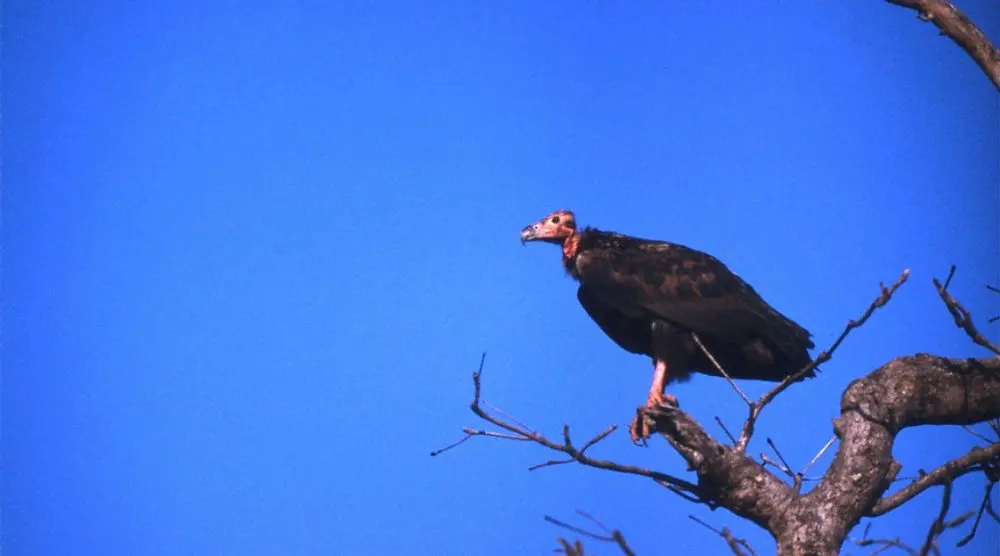
The red-headed vulture (Sarcogyps calvus) belongs to the family Accipitridae. The red-headed vulture is an enormous bird, estimating 75 to 85 cm long and gauging 3,500 to 5,500 grams. The wingspan is 200 to 230 cm.
It is mostly dark aside from exposed rosy head, neck and legs. It has a pale dark band at the foundation of the flight feathers. The male bird has a paler, whitish iris, while the female has dim earthy colored iris.
Eurasian Curlew
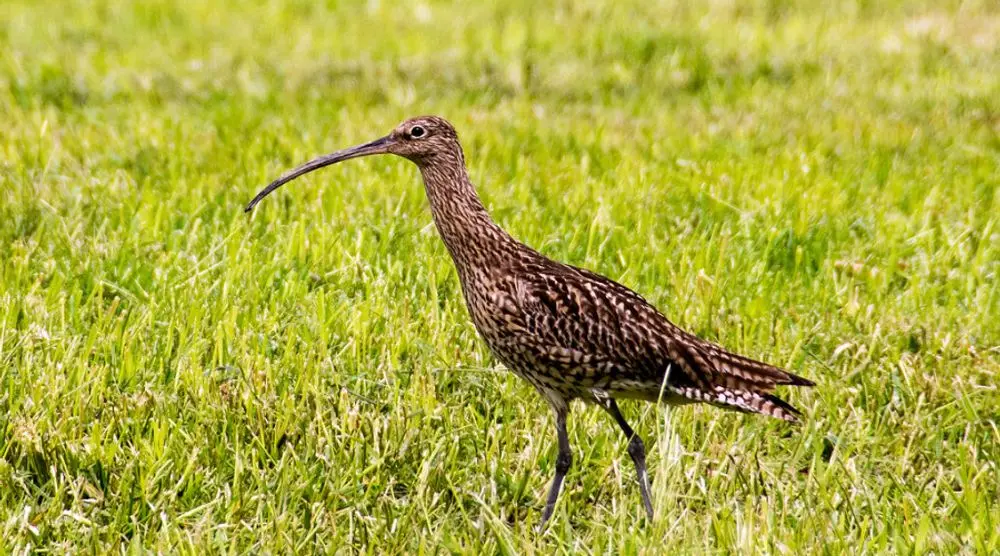
The Eurasian curlew or common curlew is a wader in the enormous family Scolopacidae. This bird can be handily described by its long, conspicuous bill which is ideal for grabbing bugs and other more simple suppers from muddy wetlands.
It additionally has extremely lengthy, nearly stick-slender legs that allow this bird to swim into the hardest segments of the marshlands, and subsequently, have a more extensive scope of quest for their food.
Black-tailed Godwit
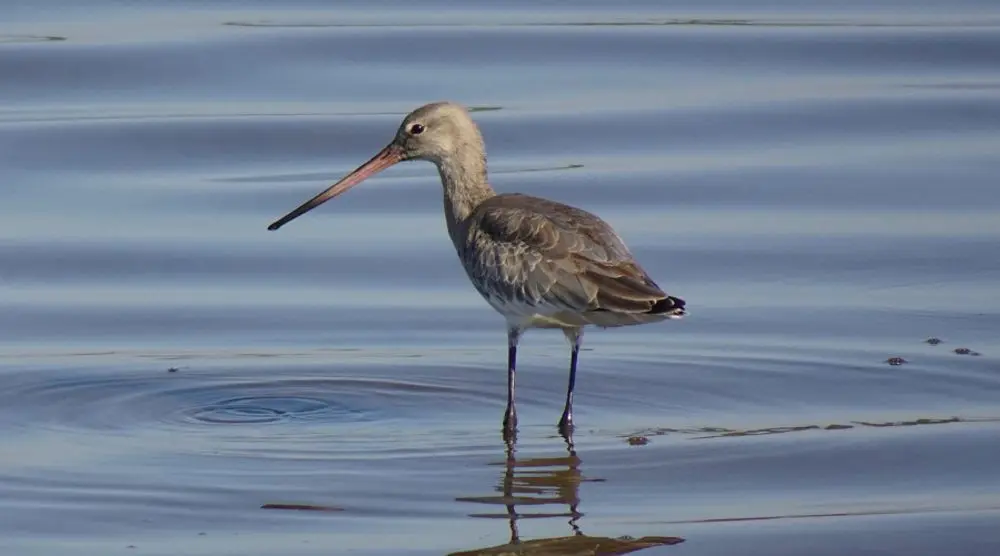
The black tailed godwit (limosa) belongs to the group of snipes and godwits, the Scolopacidae. The black tailed godwit (limosa) is an absolutely huge godwit, estimating 35 to 45 cm long. These birds are physically dimorphic, the male gauges 160 to 440 grams and the female gauges 250 to 500 grams.
The godwit bill is long and straight. It is orange yellow close to the base and blackish towards the distal end. In wintering birds, the foundation of the bill is pinkish. The irises are dim. The legs are long and dim in shading. The feet project past tail in flight.
River Tern
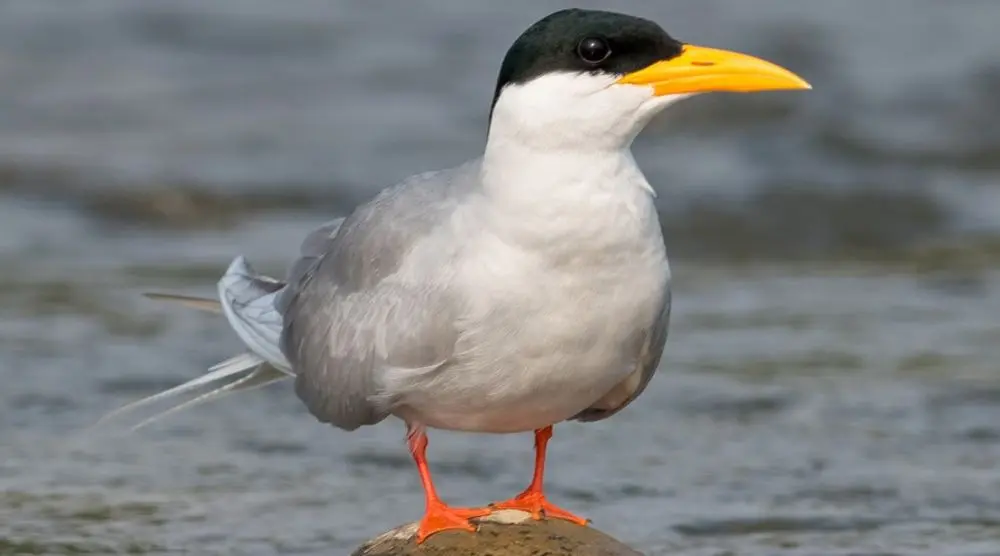
The River tern has a wide reach across southern Asia. In India, it is found all through the nation, occupying waterways and freshwater lakes, periodically happening on estuaries.
The River tern is a slim bird, about the size of a pigeon, with dim upper parts, dark cap on the head, yellow bill, long pointed wings, a profoundly forked tail and short, yellow thickset legs. Both the genders resemble the other the same. During the rearing season, February to May, it has a profound reflexive clogged pore and scruff.
White-rumped Vulture
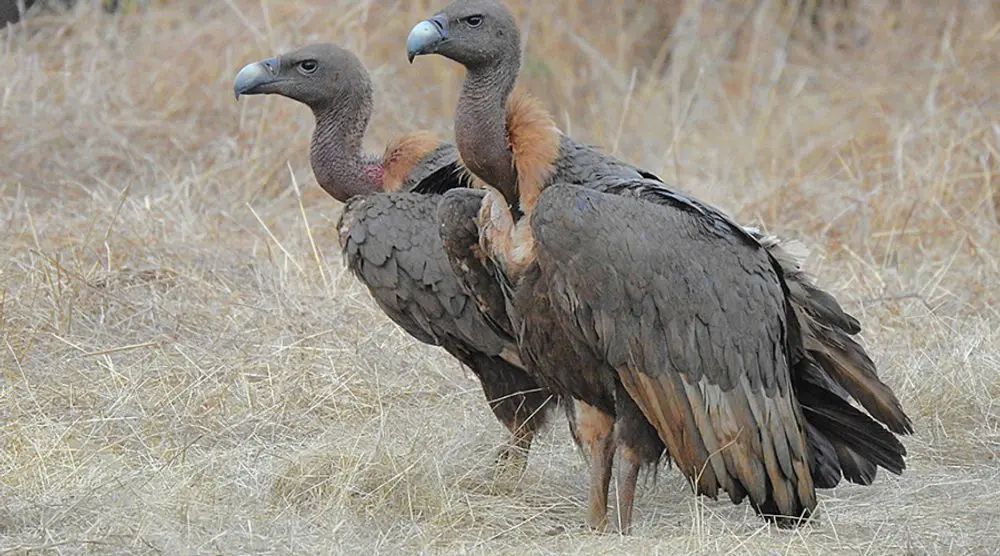
This species is an Old World vulture, unique in relation to the African White-backed Vulture Gyps africanus, from Africa. Otherwise called Indian White-backed Vulture, Oriental White-backed Vulture and White-rumped Vulture, this raptor is presently Critically Endangered after this species was considered as “likely the most bountiful huge flying predator on the planet”.
The White-rumped Vulture experienced significant decreases during the 1990s, and it is presently rare to glimpse. White-rumped Vulture grown-up is a medium-sized vulture. It has blackish upperparts with gleaming dark flight feathers.
Lower back and backside are unadulterated white, giving the bird its name. The underparts are caramel dark, finely streaked velvety white. On the underwings, coverts are on the whole white, well noticeable in flight. Undertail coverts are dark.
Indian Vulture
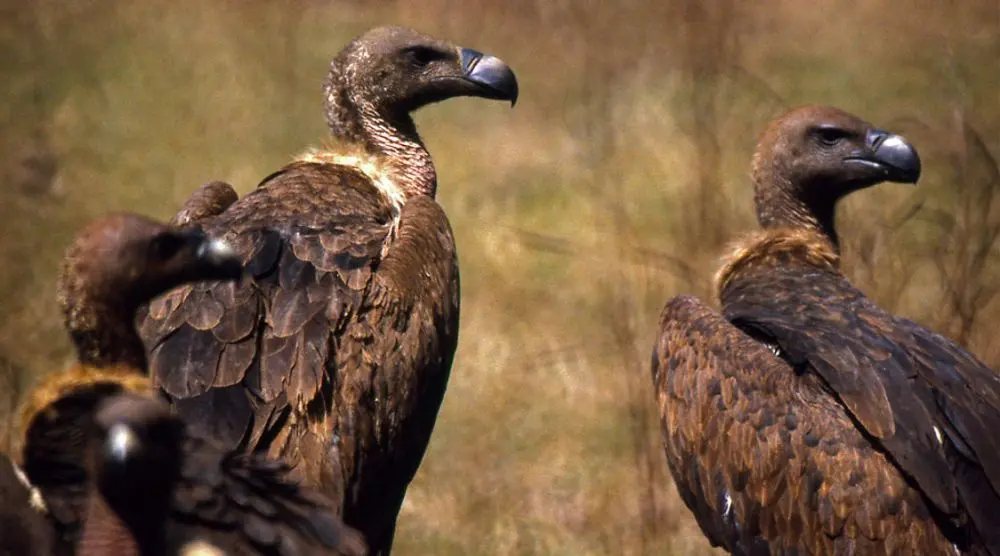
Firmly connected with the European Griffon, the Indian Vulture is for the primarily found in timberlands, meadows and shrublands. In the same way as other vulture species, it is additionally seen close to human-inhabited spaces like urban communities, towns and rural areas. A medium-sized raptor, the Indian Vulture has white quills and a dim middle.
Tawny Eagle
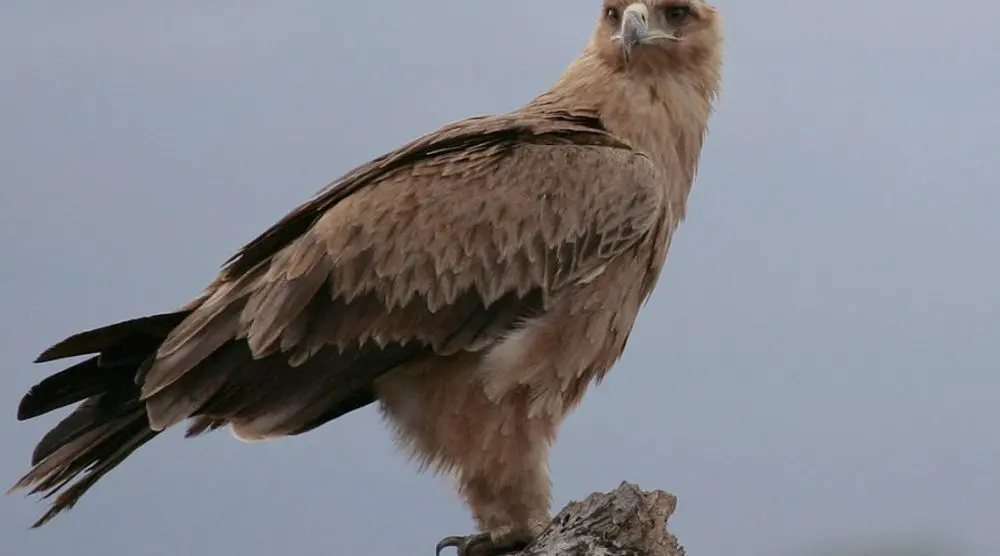
The Tawny Eagle was once viewed as a relative of the Steppe Eagle (Aquila nipalensis), notwithstanding, it is presently classed just like own species because of contrasts in life structures especially the length of the expand rib which never reaches out past the center of the eye in the Tawny Eagle.
Steppe Eagles are likewise bigger than Tawny Eagles, almost double the size, and more obscure in shading. The Tawny Eagle measures 65 – 72 centimeters (25.59 to 28.35 inches) long and weighs 1.6 – 2.4 kilograms. It has a huge wingspan which measures 1.72 – 1.85 meters (5.64 – 6.07 feet). Females are regularly bigger than guys however comparable apparently.
Steppe Eagle
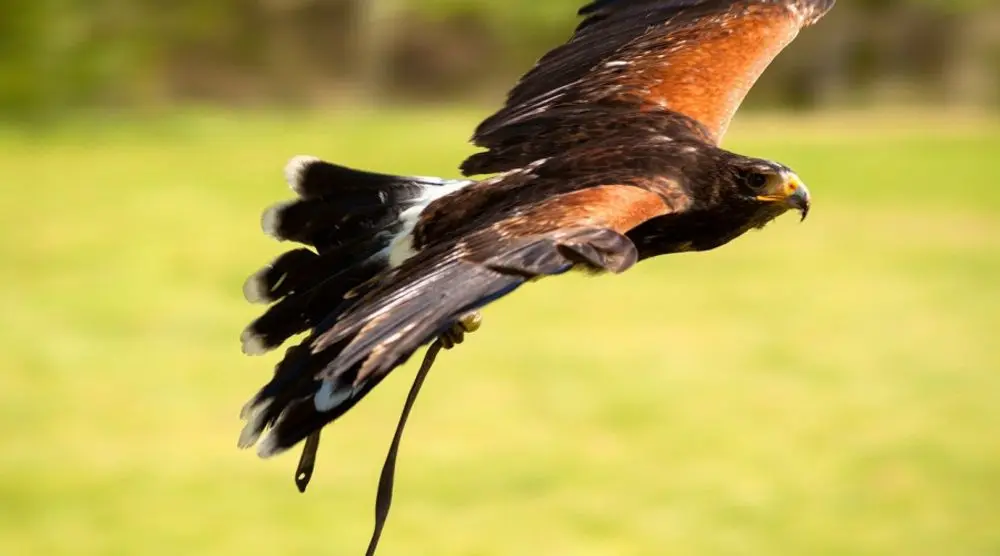
The Aquila nipalensis, steppe eagle is a migratory bird seen in different territories of the Central Asian district. These birds are frequently mistaken for eastern royal falcon bird species due to their comparative features. Unfortunately, this bird is imperiled and is nearly annihilation.
There are an assortment of reasons that have forced a danger on their reality. One significant explanation is the transformation of their territory into development fields. Contamination and human settlements right at home have left these animals powerless.
Grey-headed Fish Eagle
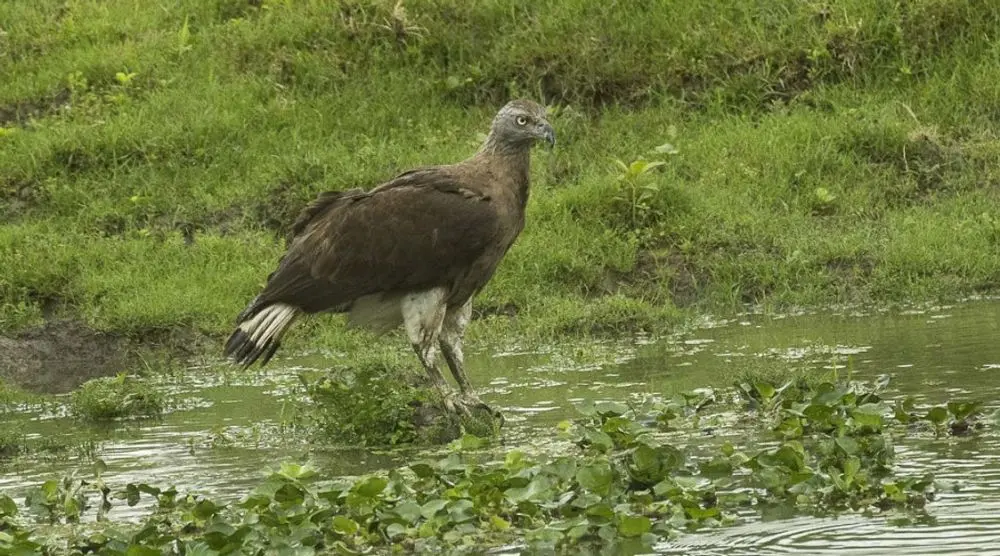
The grey-headed fish-eagle (Icthyophaga ichthyaetus) belongs to the family Accipitridae. These grey headed fish-eagle species are circulated in Indian Subcontinent, Southeast Asia, Indonesia and Philippines grey-headed fish-eagle is an enormous bird, estimating 60 to 75 cm long and gauging 1,600 to 2,700 grams.
Female falcons are bigger than the guys. The wingspan is 150 to 170 cm. The grown-ups have dull earthy colored chest area, grayish head and lighter underside.
Pallid Scops Owl
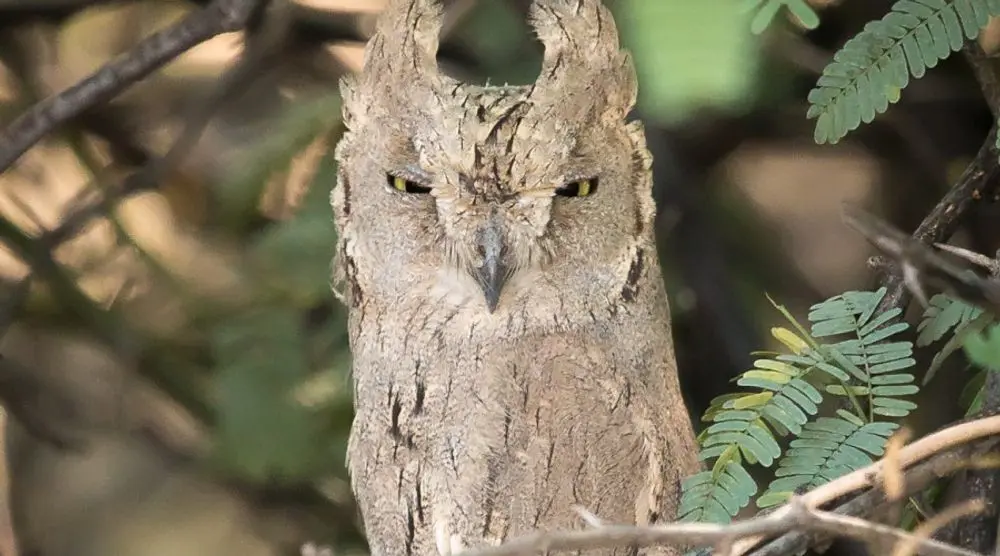
The pallid scops owl (Otus brucei) has a place with the group of run of the typical owls, Strigidae. The pallid scops owl (Otus brucei) is a smallish owl estimating around 20 to 22 cm long and gauging 100 to 110 grams.
The wingspan is 55 to 65 cm. The plumage is pale buff or dim with fine particular streaking. It has short ear-tufts and the facial circle is pale buffish-white in shading.
These are the many of the Bird Species in the Sariska Tiger Reserve. Many of them are rare, vulnerable, or endangered. Strict actions need to be taken to conserve wildlife. This place is certainly contributing a lot to the environment and wildlife. Visit Sariska and get amazed by the abundant wildlife this place offers.